When most people think about saving money on healthcare, they often focus on insurance plans, deductibles, or trying to avoid going to the doctor altogether. But one of the most effective ways to reduce costs—while actually improving your overall health—is by working with a primary care doctor through a direct primary care model.
This approach is changing how patients experience primary care, especially in communities like Tooele, where access, affordability, and consistency matter. Instead of navigating a complicated health care system, patients are choosing a simpler, more effective path built around relationships, access, and proactive medicine.
Understanding the True Role of Primary Care
At its core, primary care is the foundation of long-term health. A primary care physician or primary care provider is responsible for guiding your health over time—not just treating problems as they arise. This includes everything from preventive care and preventive screenings to diagnosing and managing a chronic condition.
Many primary care doctors are trained in family medicine or internal medicine, two key areas of medicine that focus on comprehensive, long-term care. Family medicine doctors treat individuals across all ages, while internal medicine doctors typically focus on adults and more complex conditions. Both specialties emphasize continuity, meaning your doctor understands your medical history, lifestyle, and evolving health needs.
In a traditional setting, however, even the best physician is often limited by time, administrative burdens, and insurance requirements. This can reduce the effectiveness of care, leading to more visits, more referrals to specialists, and ultimately higher costs.
Where Traditional Healthcare Gets Expensive
The traditional healthcare model is often reactive. Patients wait until a problem becomes serious, then seek care—often through urgent visits or referrals. This leads to:
- More frequent and costly appointment cycles
- Increased reliance on outside specialty care
- Fragmented medical records across multiple providers
- Less coordinated treatment
Without consistent guidance from a trusted primary care physician, many patients end up navigating the system alone. This lack of continuity increases the likelihood of duplicated tests, delayed diagnoses, and unmanaged chronic illness.
Over time, these inefficiencies drive up both personal and system-wide healthcare costs.
How Direct Primary Care Changes the Equation
Direct primary care redefines how primary care services are delivered. Instead of billing insurance for each visit, patients pay a predictable monthly fee for access to their primary care clinic and dedicated provider.
This model allows physicians, nurse practitioners, and physician assistants to focus on delivering quality care rather than managing billing complexities. As a result, the entire primary care team can provide more attentive, effective support.
Patients benefit from:
- Easier access to their doctor
- Longer, more meaningful appointments
- Better communication with their care team
- A stronger focus on prevention and long-term outcomes
Because the model prioritizes continuity, primary care doctors can address issues earlier, reducing the need for costly interventions later.
Preventing Problems Before They Become Expensive
One of the biggest ways a primary care doctor in direct primary care saves money is through prevention. Instead of waiting for symptoms to worsen, patients receive proactive guidance through preventive care, routine monitoring, and early intervention.
This is especially important for managing conditions like diabetes or other forms of chronic illness, where early and consistent treatment can significantly reduce complications.
With ongoing chronic disease management, your provider helps stabilize conditions before they require emergency or specialty intervention. This not only lowers costs but also improves long-term health outcomes.
Fewer Specialists, More Coordinated Care
In traditional systems, patients are often referred to specialists for issues that could be managed within primary care. This leads to higher costs, additional appointments, and fragmented care.
In a direct primary care setting, your primary care physician takes a more active role in managing a wide range of health issues. When referrals are necessary, they are more targeted and better coordinated.
This level of comprehensive care ensures that your healthcare provider understands the full picture, reducing redundancy and improving efficiency.
Better Access Leads to Better Health—and Lower Costs
Access is one of the most overlooked factors in healthcare costs. When it’s difficult to get an appointment, patients delay care, which often leads to more serious and expensive conditions.
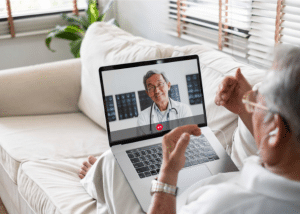
With direct primary care, access improves dramatically. Patients can connect with their doctor more easily, whether for routine concerns, emerging symptoms, or follow-up care. This consistent engagement leads to better decision-making, more effective treatment, and ultimately better health.
A More Personal Approach to Medicine
Another key advantage is the relationship between the patient and their provider. In a traditional family practice, time constraints can limit how deeply a physician understands each individual.
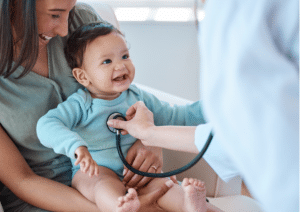
In contrast, direct primary care allows for a more personalized approach. Your doctor becomes familiar with your lifestyle, your medical history, and your goals. This leads to more accurate diagnoses, more effective treatment plans, and a stronger sense of trust.
This model also supports a wider range of needs, including womens health, general wellness, and ongoing support for adults managing multiple conditions.
Why More Patients Are Making the Switch
For many patients, the decision to switch comes down to value. When you combine improved access, stronger relationships, and a focus on prevention, the cost savings become clear.
Instead of paying for fragmented, reactive care, patients receive consistent, proactive support from a dedicated primary care team. Over time, this reduces unnecessary visits, avoids complications, and simplifies the entire healthcare experience.
For new patients, this model offers a fresh start—one built around clarity, accessibility, and long-term results.
A Smarter Way to Approach Healthcare
Choosing a primary care doctor in a direct primary care model isn’t just about convenience—it’s about making a smarter investment in your health.
By focusing on prevention, improving access, and strengthening the relationship between patients and providers, this approach delivers expert care that is both effective and sustainable.
In a system where costs continue to rise, direct primary care offers a practical, patient-centered solution—one that prioritizes care, simplifies medicine, and supports better outcomes for individuals and families alike.